
Stalled transformations, persistent data dysfunction, and adoption that never quite takes hold are rarely technical failures. They are leadership and operating-model failures wearing a technical disguise.
Most organizations already know something is wrong. The signals are everywhere: the workaround that became permanent, the dashboard no one trusts, the initiative everyone nods at and quietly ignores. The work isn't to install a new tool on top of all that. The work is to learn to hear what the system is already telling you, and to guide it somewhere better.
Change Shepherd Group exists for that work. The premise is simple and, in practice, rare: treat the technical problem as the human and leadership problem it actually is, and dignity not as a soft afterthought but as a load-bearing part of the structure.
Dignity is structural. Remove it and the change cannot hold weight.
Enterprise data strategy and governance built around how people and decisions actually work, not around the org chart you wish you had.
Transformation and change management that treats adoption as the real deliverable, designing for the human transition rather than just the technical cutover.
Coaching and development for leaders carrying change, with an emphasis on sensing, judgment, and the dignity of the people they lead.
Stepping into ambiguous, stuck situations as an integrator: naming what's really going on so the right work can begin.
I've spent my career inside enterprise data, technology, and organizational change, most recently leading data and enterprise AI strategy, with earlier stops across global organizations from the shop floor to the boardroom. The throughline has always been the same: the systems were never just technical.
I work as a sensemaker and integrator rather than an authority with a fixed playbook. That posture is a feature of the work, not a caveat to it. I'd rather understand your situation honestly than sell you a framework that flatters it.
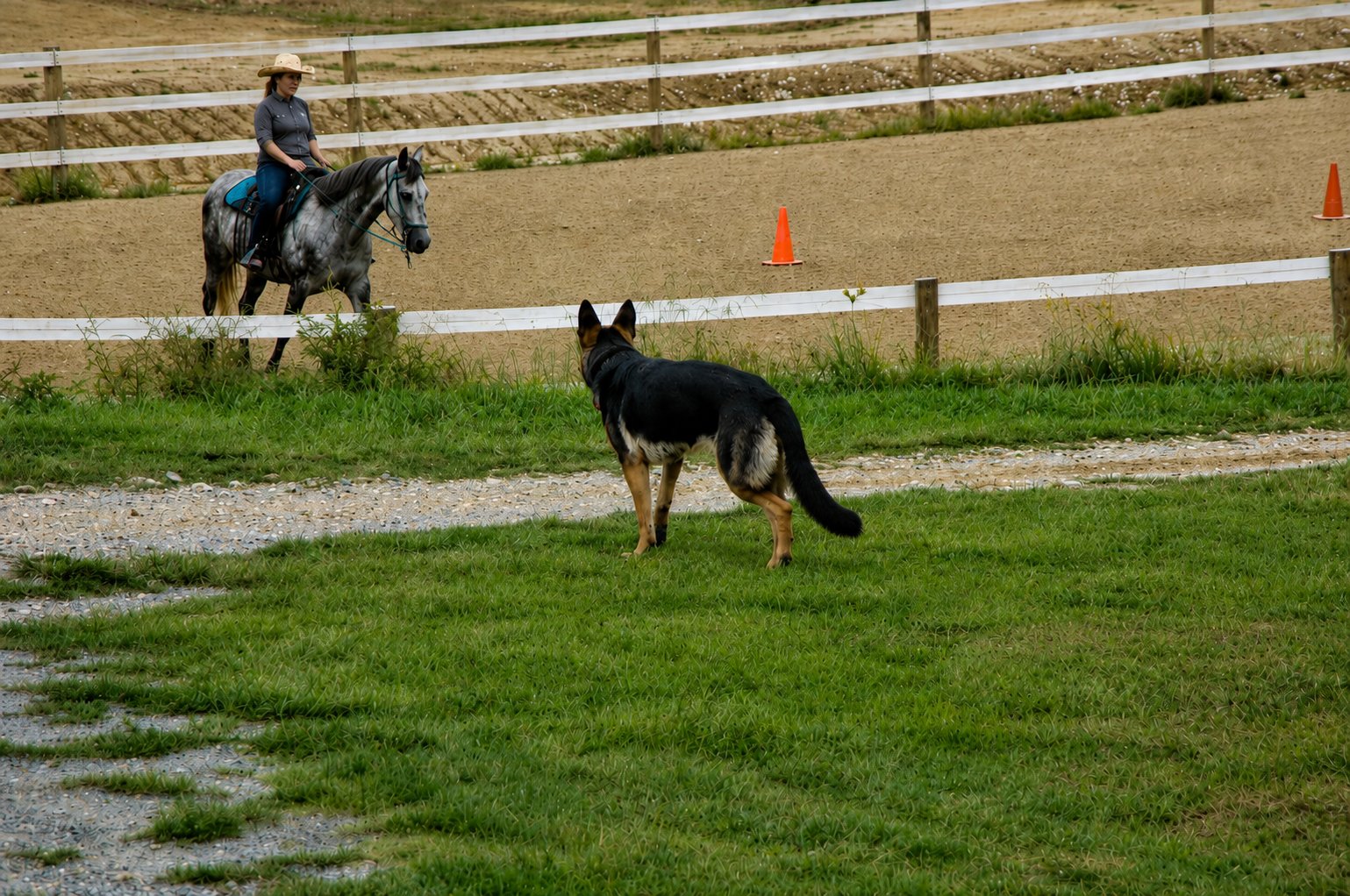
Dallas didn't like everyone, and she wasn't apologetic about it. When we walked in a park, she watched people the way a good analyst watches data — not looking for reasons to react, but reading for signals that mattered. Most people passed without a second glance. A few got a low, quiet warning. She was right more often than not.
She watched over Regalo from the hill every day. Not hovering. Not interfering. Just present, attentive, and ready. If Regalo became unsettled, she didn't wait to be asked. She came down the hill because that's what the moment required.
She was vocal when she disagreed. Loyal without being naive. She sensed what was wrong before anyone named it, and she said so in her own language.
I didn't name this company after a concept. I named it after her.
That's what shepherding looks like in practice — discerning, present, honest, and moving only when movement is needed. Not driving. Not controlling. Watching until the moment calls for something more.
A short preview from the Change Shepherd book — a way to stand at the gate, see the whole property, and understand why the conditions below the hill matter.
The preview is yours to read. No form required.
This is separate from the PDF download. Share your name and email only if you would like me to send you a note when the full Change Shepherd book is ready.
Whether you're early in a transformation or in the middle of one that's stalled, a conversation is the right first step. No pitch deck required.